

Foam Extinguishing System
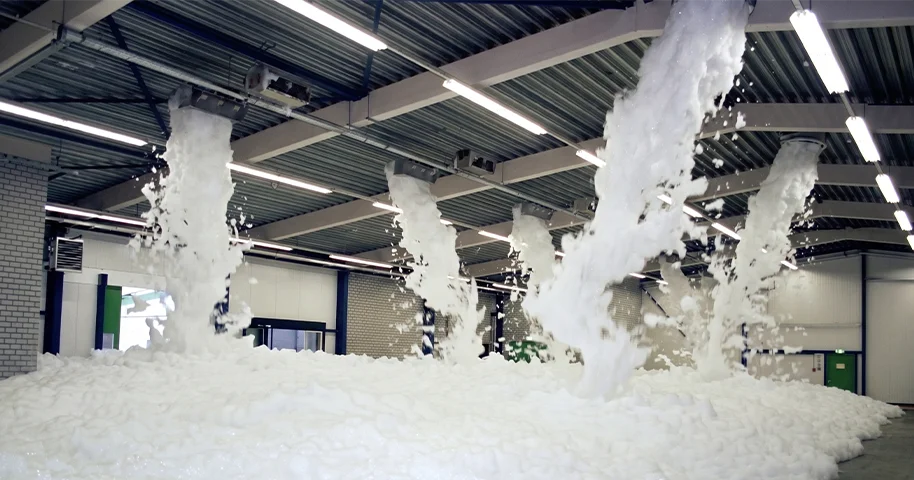
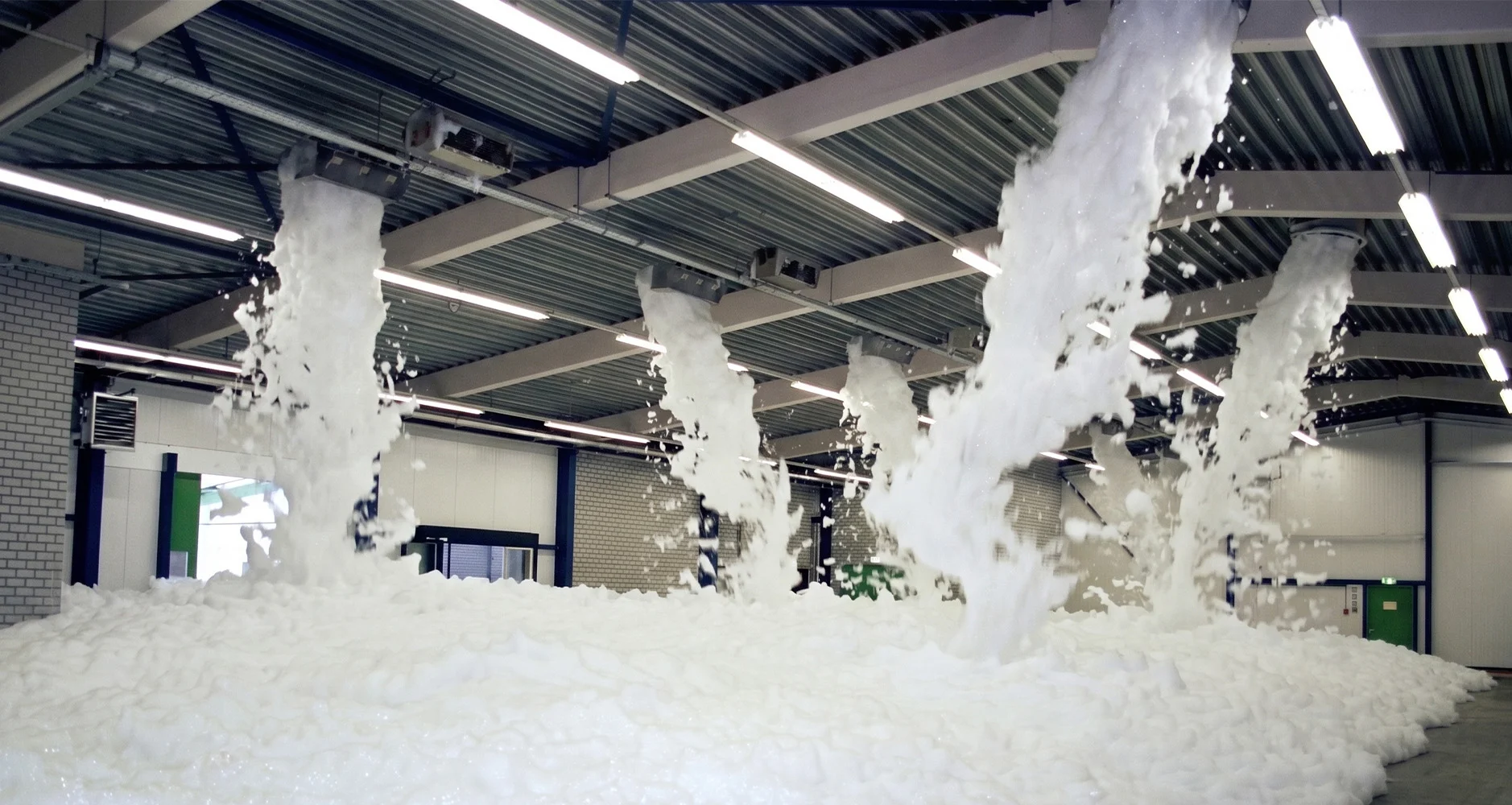
Foam fire extinguishing systems are generally used to extinguish flammable and liquid chemicals or fuels. Protein-based, synthetic-based, alcohol-resistant and film-forming foam types can differ in chemical properties. Foam fire extinguishing systems, which can be designed automatically or manually, prevent the growth of fire by immediately intervening in the burning area.
The main features of foam fire extinguishing systems are as follows;
Prevents contact between oxygen and fuel vapor.
Prevents evaporation on the fuel surface.
Separates the flame and the fuel surface from each other.
Helps to cool metal surfaces on or around the fuel surface.
The types of fires that foam is effective on are;
Crude oil fires,
Gasoline fires,
Jet fuel fires,
Gasoline fires,
Fuel oil fires,
Naphtha fires,
Fires in alcohols,
Fires in ketones,
Fires in ethers,
Fires in ethers.
Hydrocarbon fires
Polar solvent fires
Foam extinguishing systems, which have a very wide range of applications, are generally used in aircraft and helicopter bunkers, warehouses, fuel loading or unloading stations, paint shops, chemical production or collection facilities, areas where flammable and combustible liquids are collected, filling areas for flammable and combustible liquids, factories, piers, oil refineries, marinas and similar areas. Due to its ability to intervene immediately and take control quickly, it affects the flammable surface in a short time and prevents possible large fires, while also preventing the release of explosive gases.